
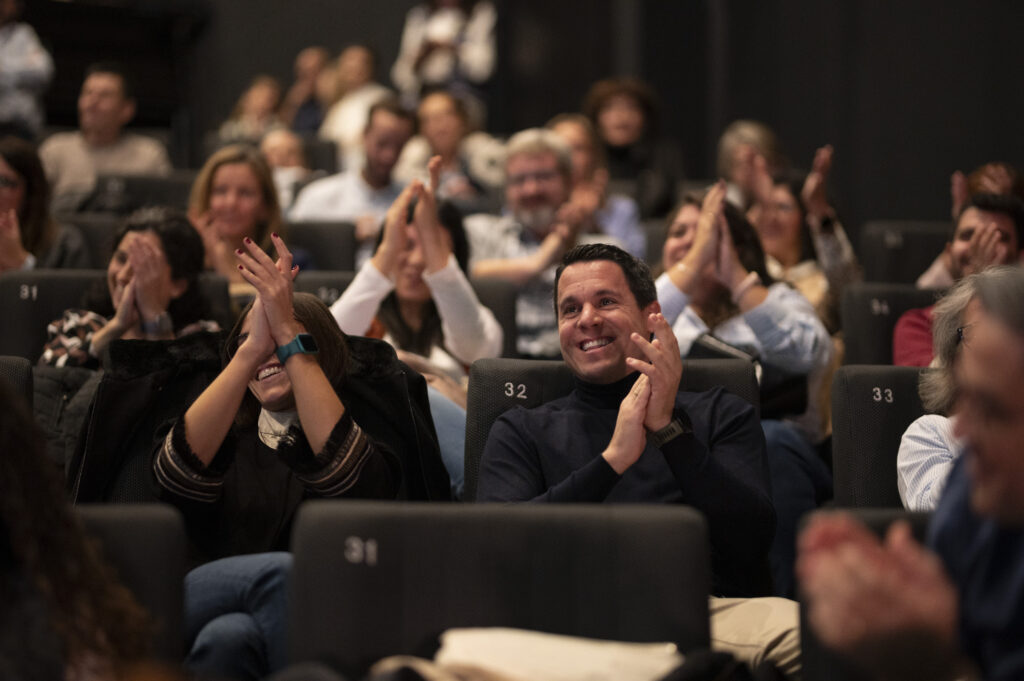
Programa Collegium Madrid 2025
Collegium es una experiencia inmersiva de tres días pensada para ayudarte a diseñar centros universitarios residenciales donde todos puedan crecer como personas.
Event Information
Leadership program for higher education residential centers
Collegium is a three-day immersive experience prepared to help you design residential colleges where everyone can grow as a person. It is a space for leadership teams to spend a few days together, in an environment of trust, reflecting and discussing how to turn their centers into communities that promote the well-being, integrity and identity of each person in a strategic and intentional way.
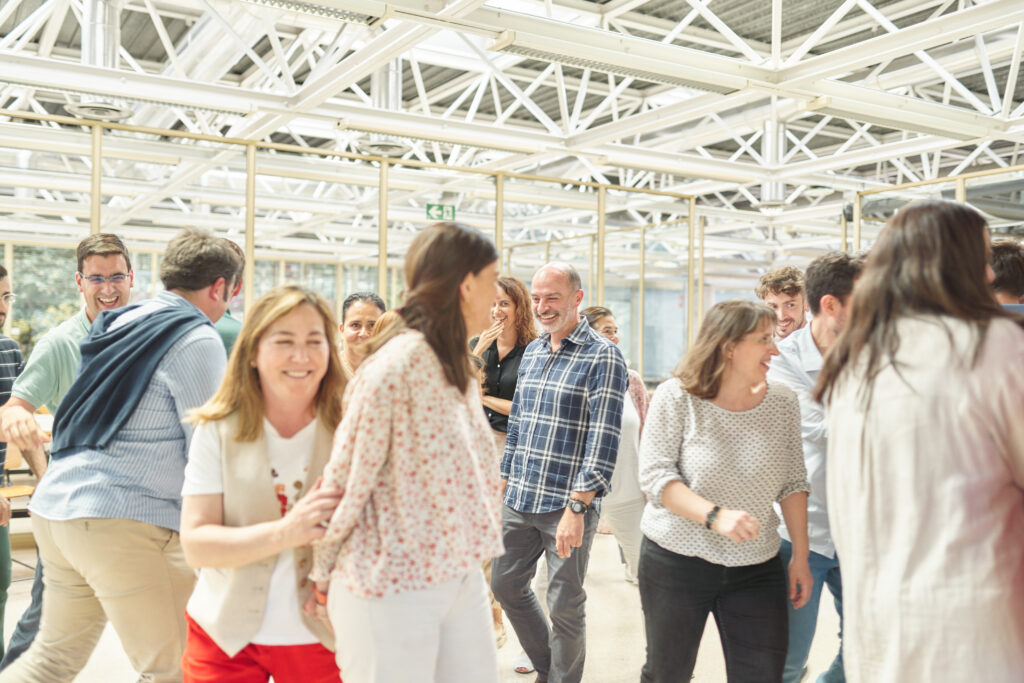
"Residence halls are perfectly designed for the results we are getting. If we don't like the results, we have to redesign the residence halls."
01
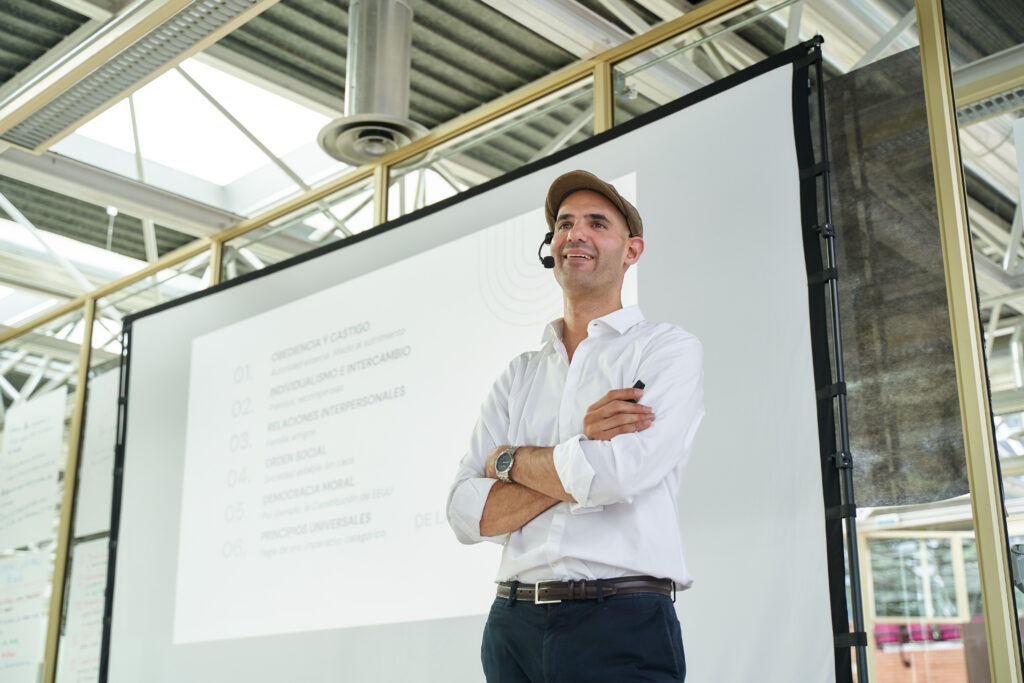
Conocer los principios de diseño que contribuyen al crecimiento de las persona
Specifically, we work with the PRIMED model by Marvin Berkowitz from the Center for Character and Citizenship, and we draw inspiration from Lawrence Kohlberg's Just Communities project, developed at Harvard in the 1980s. Those who will lead this change need to understand the principles underlying the practices they will later implement.
02
Strengthen team relationships through experiential learning
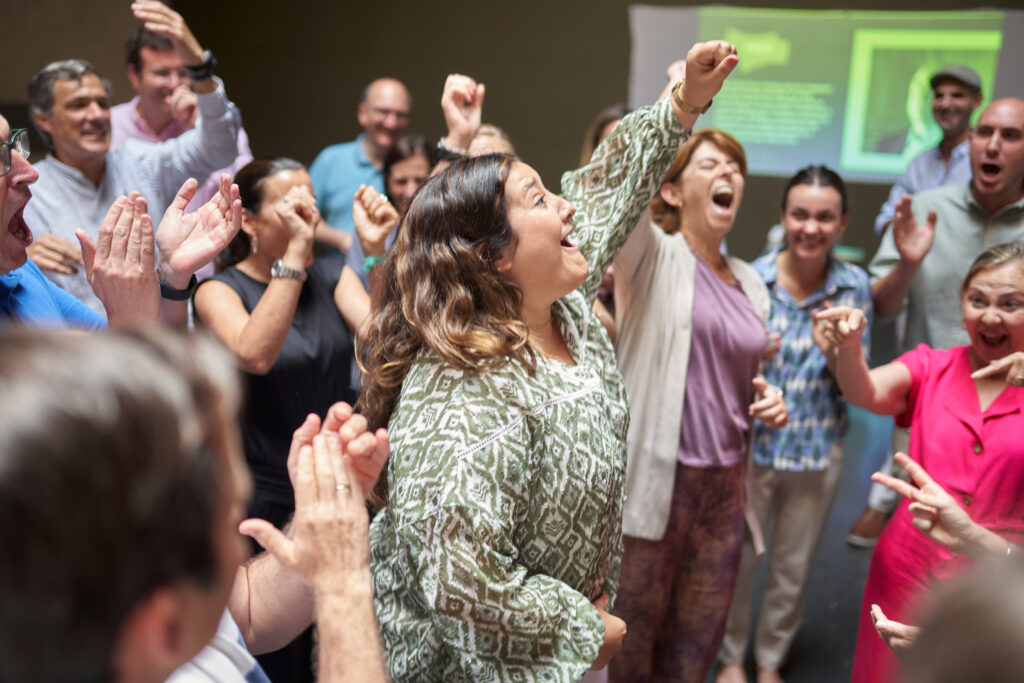
Implementing a change of this magnitude—one that directly impacts the culture of a residential center—requires a united team eager to take on this ambitious challenge. During Collegium, participants will have the opportunity to strengthen bonds with their teammates, spend many hours in conversation, and have a good time together.
03
Design an action plan for the next academic year
Armed with the knowledge gained at Collegium, participants are encouraged to develop a long-term action plan. Any transformation of this nature requires several years of work. The plan developed as a result of this workshop can help pave the way and introduce a focus on personal growth at the residential center. Participants will receive guidance from the course instructors.

Audience
Certification
Los que completen el curso pueden recibir una certificación de Become, del Center for Character and Citizenship de la Universidad de Missouri-St. Louis, y del Grupo Educación, Ciudadanía y Carácter de la Universidad de Navarra.
Collaborative governance
This practice involves students participating in the governance of their community through leadership and management roles, consultation and deliberation processes, and/or decision-making. This is carried out in alignment with the community's mission and values, contributing to its common good.
For example: in my center, there is a Council or Assembly that gathers students to deliberate and make decisions; there are working teams such as deans, commissions, committees, or boards with leadership and management responsibilities; there is some form of democratic process for electing community leaders; and so on.
Service roles and tasks
This practice consists of students being assigned a role or a task in which they provide a service to the community or contribute to the care and maintenance of the center's facilities.
By way of example: tidying and cleaning common areas; taking photographs and videos of activities; gardening tasks; creating content for the website or social networks; taking care of electronic equipment; library management.
Retreats, excursions, trips.
This practice consists of dedicating a few hours or days to withdraw from the ordinary life of the residence with a group of students to deepen or enhance some aspect of the community, such as its needs, mission or values.
By way of example: these experiences can take the form of an excursion to the mountains, a cultural visit, a professional trip, a work day, a spiritual retreat, a ski plan, a work camp, a study day.
Students initiatives
This practice consists of listening to the voice of the students about the initiatives they would like to carry out and offering the necessary institutional support to implement them.
By way of example: the initiative of the students gives rise to social volunteering, conferences, round tables, colloquiums with invited experts, sports tournaments, clubs, activities, artistic experiences, debates, workshops, seminars, celebrations, excursions or cultural trips, among others.
Peer mentoring
This practice consists of facilitating the opportunity for students to establish an advisory/tutoring/mentoring relationship with another student or member of the community. Essentially, this is a mentoring system between peers who share student status, where the mentee can benefit from the advice, experience and support of a more senior mentor.
For example: first-year students are assigned an advisor for academics; for the first few days of the course, there are senior students who spend time explaining how the residence works, introducing them to the community life, presenting them to other students; undergraduates can turn to graduate students or professors who are part of the residential community for academic, professional, or personal advice.
Tertulias, colloquiums, informal meetings.
This practice consists of periodic informal meetings in which a significant part of the community meets and has a relaxed conversation in a climate of trust and spontaneity.
For example: having a daily informal meeting in which a significant part of the community meets and talks about what has happened that day; inviting a guest speaker to meet with the community in the context of an informal conversation.
 English
  Español