













PROGRAMA

Collegium

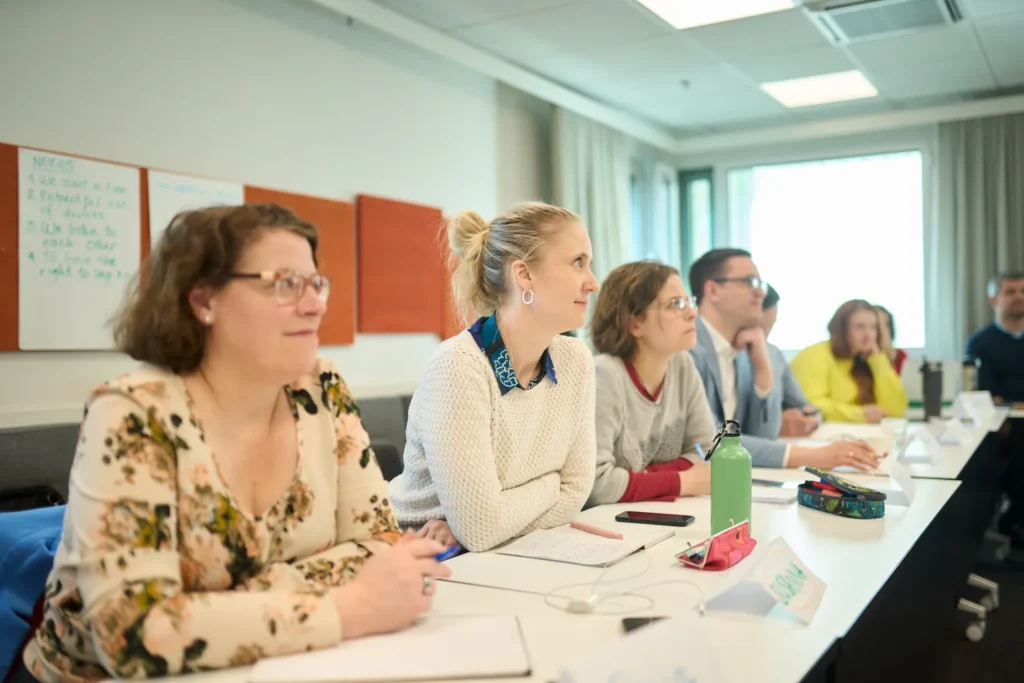
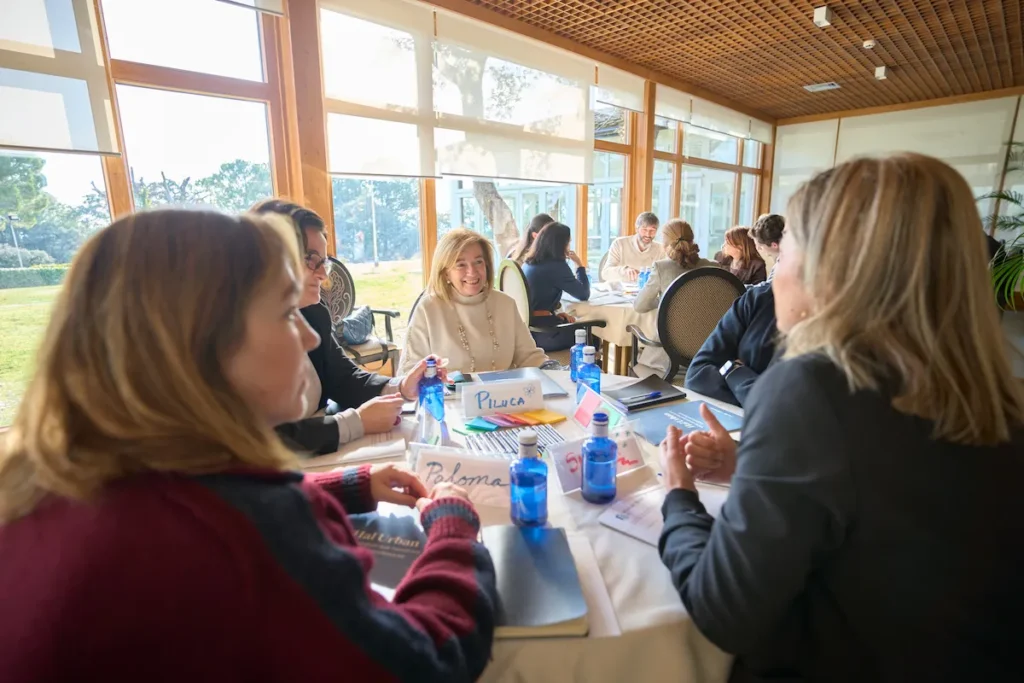
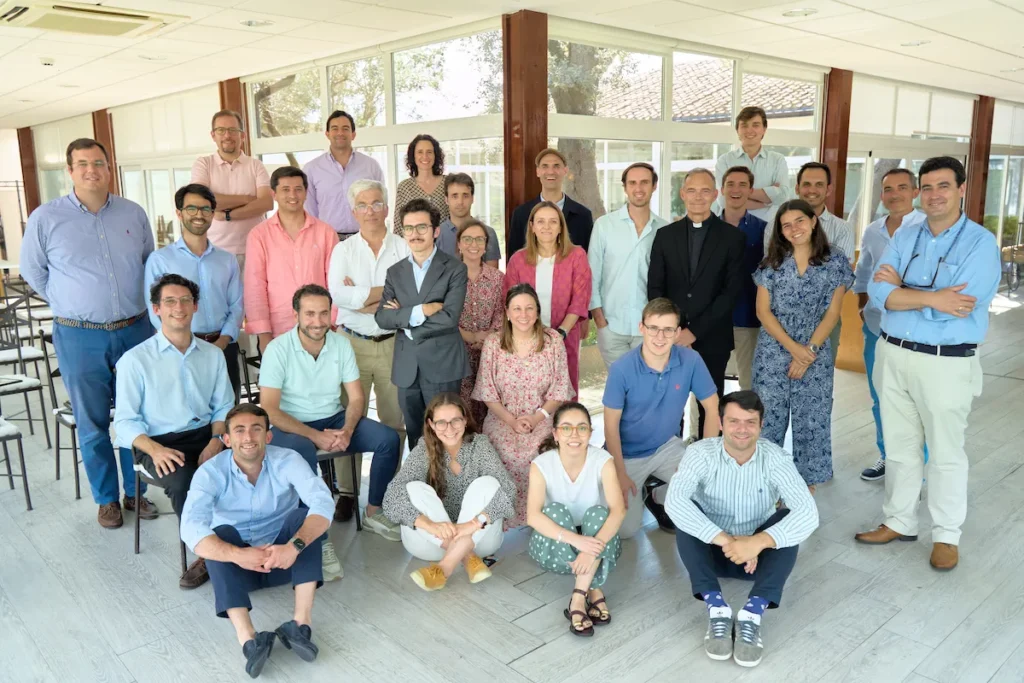
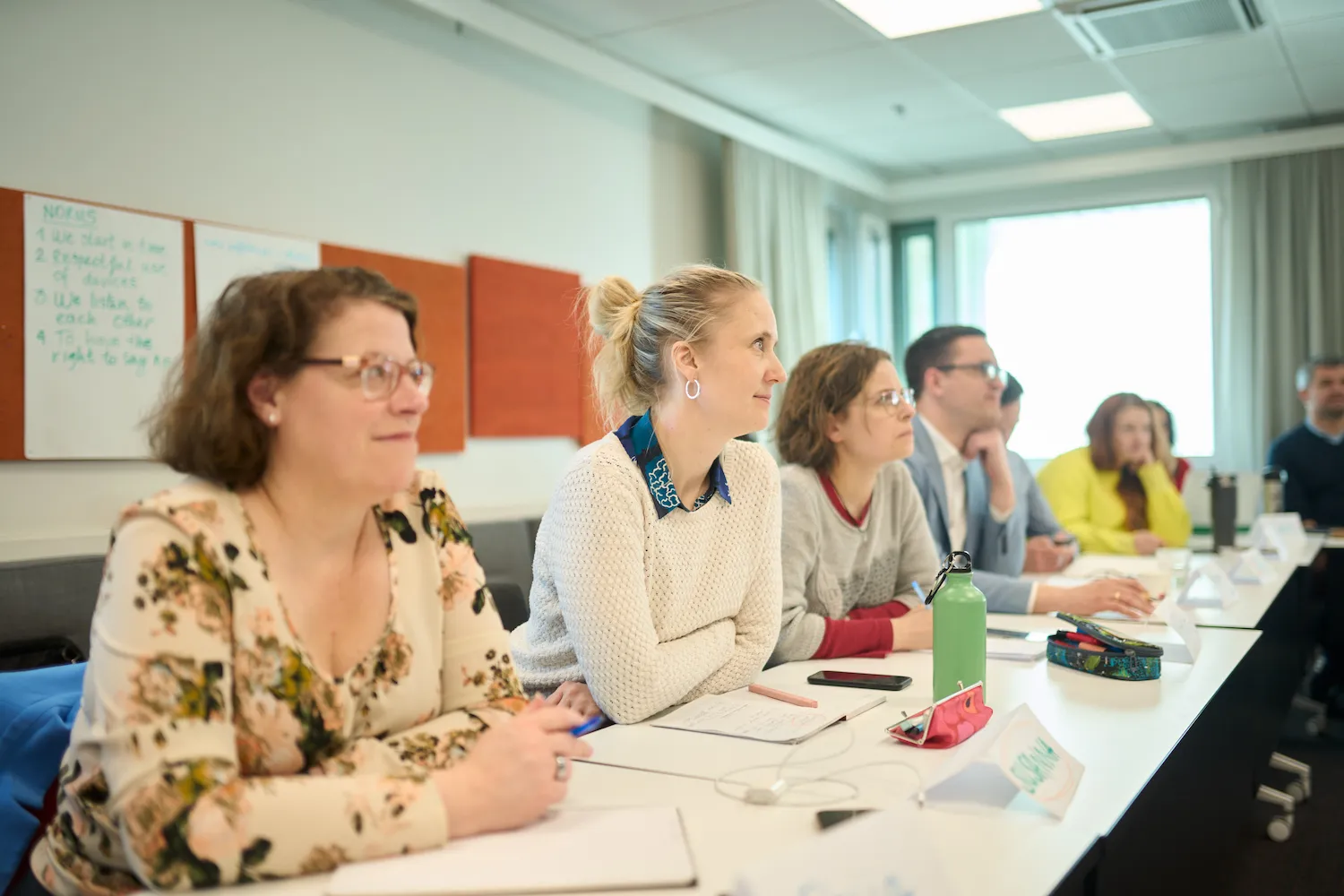
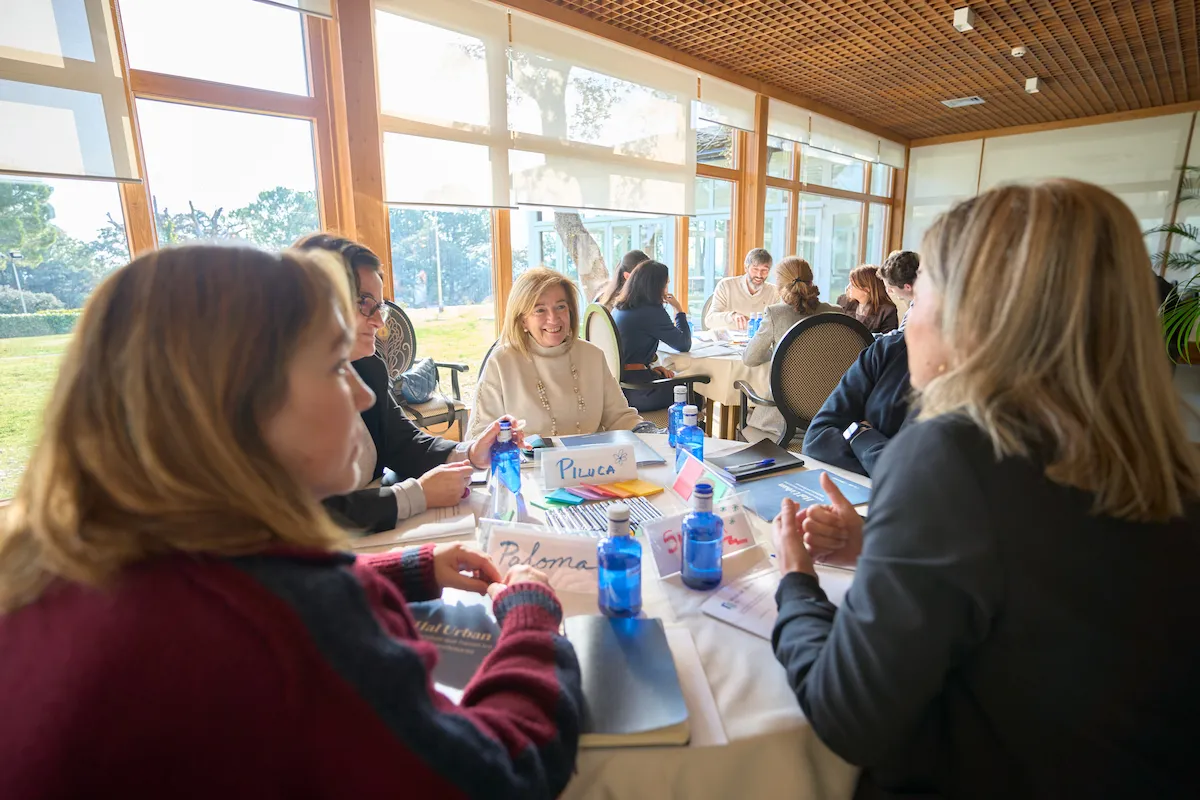
Collegium is a program for leadership teams of higher education residential centers that want to promote character development in their communities.

We invite management and staff to join a community that reflects and engages in dialogue, in an atmosphere of trust, about how to make their residential centers places that strategically and intentionally foster personal growth, character development, and well-being.

01

Understanding the design principles that contribute to personal growth

Specifically, we work with the PRIMED model by Marvin Berkowitz from the Center for Character and Citizenship, and we draw inspiration from Lawrence Kohlberg's Just Communities project, developed at Harvard in the 1980s. Those who will lead this change need to understand the principles underlying the practices they will later implement.

02

Strengthen team relationships through experiential learning

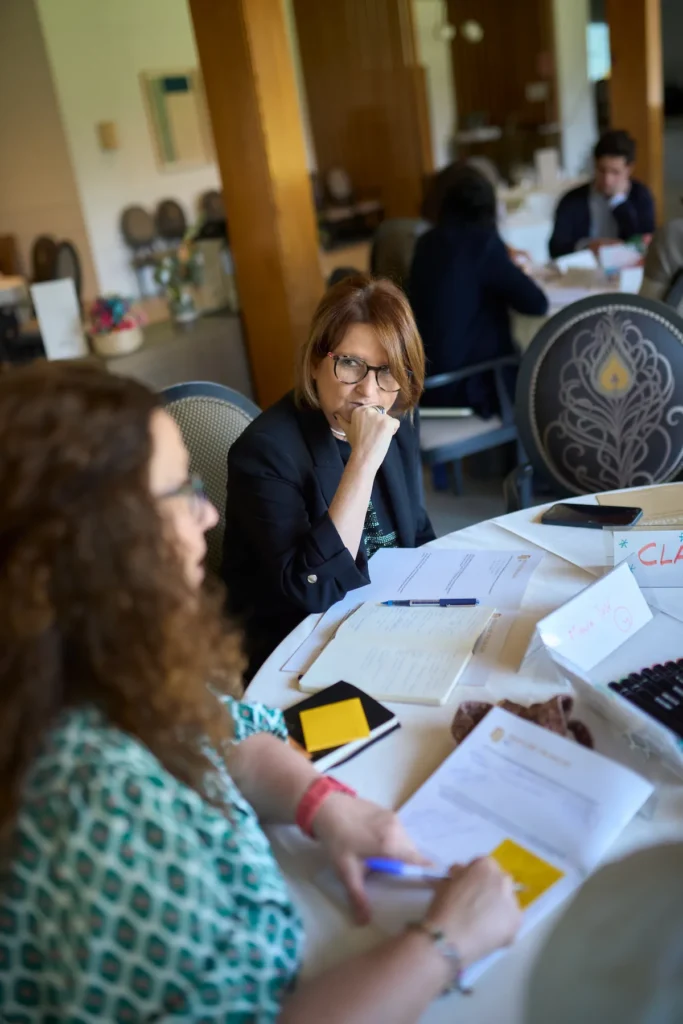
Implementing a change of this magnitude—one that directly impacts the culture of a residential center—requires a united team eager to take on this ambitious challenge. During Collegium, participants will have the opportunity to strengthen bonds with their teammates, spend many hours in conversation, and have a good time together.

03

Develop an action plan

Armed with the knowledge gained at Collegium, participants are encouraged to develop a long-term action plan. Any transformation of this nature requires several years of work. The plan developed as a result of this workshop can help pave the way and introduce a focus on personal growth at the residential center. Participants will receive guidance from the course instructors.

Contents

We propose a redesign of the elements that make up everyday life in your residential community, based on six core practices and six design principles.


Six key practices

We focus on redesigning key aspects of the daily life of residential centers, identified in recent studies as essential for their educational impact. Specifically, we work on six fundamental practices:

Collaborative governance

This practice involves students participating in the governance of their community through leadership and management roles, consultation and deliberation processes, and/or decision-making. This is carried out in alignment with the community's mission and values, contributing to its common good.

For example: in my center, there is a Council or Assembly that gathers students to deliberate and make decisions; there are working teams such as deans, commissions, committees, or boards with leadership and management responsibilities; there is some form of democratic process for electing community leaders; and so on.

Service roles and tasks

This practice consists of students being assigned a role or a task in which they provide a service to the community or contribute to the care and maintenance of the center's facilities.

By way of example: tidying and cleaning common areas; taking photographs and videos of activities; gardening tasks; creating content for the website or social networks; taking care of electronic equipment; library management.

Retreats, excursions, trips.

Jornadas, convivencias, excursiones, viajes Esta práctica consiste en dedicar unas horas o días a retirarse de la vida ordinaria del centro residencial con un grupo de estudiantes para profundizar o potenciar algún aspecto de la comunidad, como sus necesidades, su misión o sus valores.

By way of example: these experiences can take the form of an excursion to the mountains, a cultural visit, a professional trip, a work day, a spiritual retreat, a ski plan, a work camp, a study day.

Students initiatives

This practice consists of listening to the voice of the students about the initiatives they would like to carry out and offering the necessary institutional support to implement them.

By way of example: the initiative of the students gives rise to social volunteering, conferences, round tables, colloquiums with invited experts, sports tournaments, clubs, activities, artistic experiences, debates, workshops, seminars, celebrations, excursions or cultural trips, among others.

Peer mentoring

This practice consists of facilitating the opportunity for students to establish an advisory/tutoring/mentoring relationship with another student or member of the community. Essentially, this is a mentoring system between peers who share student status, where the mentee can benefit from the advice, experience and support of a more senior mentor.

For example: first-year students are assigned an advisor for academics; for the first few days of the course, there are senior students who spend time explaining how the residence works, introducing them to the community life, presenting them to other students; undergraduates can turn to graduate students or professors who are part of the residential community for academic, professional, or personal advice.

Tertulias, colloquiums, informal meetings.

This practice consists of periodic informal meetings in which a significant part of the community meets and has a relaxed conversation in a climate of trust and spontaneity.

For example: having a daily informal meeting in which a significant part of the community meets and talks about what has happened that day; inviting a guest speaker to meet with the community in the context of an informal conversation.

Six design principles


The PRIMED model is an acronym for six design principles for school improvement that integrate 42 character education effective practices for schools identified in studies, reviews, and meta-analyses from the last quarter of a century.

Effective' means that these practices are supported by scientific research, including statistical evidence of their significant impact on personal development. Rather than specific practices or strategies, these six principles serve as reminders of what to consider when designing each practice and strategy to effectively promote character development.

Prioritization
Visible and concrete prioritization of character development in all areas. Leaders should direct their efforts and resources in this direction holistically.
Relationships
Promoting caring relationships throughout the community for the sake of people and their learning, following the adage: "Kids don't care how much you know, until they know how much you care".
Intrinsic Motivation
Developing intrinsic motivation to do well, as opposed to external motivations such as rewards and punishments. It's not just about doing good, but also doing it for the right reasons.
Modeling
Everyone in the school, especially adults, should strive to be models of virtue, from which everyone can learn. Following Gandhi, it is about "being the change we want to see in the world".
Empowerment
Create a culture and structures that empower everyone by listening to them and giving them the opportunity to make a meaningful difference.
Developmental Pedagogy
To educate in a way that supports long-term learning and character development.

Two complementary programs


We have two complementary programs to share our vision.

Both the Focused Program and the Executive Program can be taken independently. It is not necessary to complete both to have a valuable and transformative experience. However, since they are complementary programs, many people choose to take them one after the other to enhance their personal and professional development.

Our experience shows that those who choose to participate in both programs achieve equally strong results, regardless of whether they start with the Focused or the Executive program. Each path has its own advantages and challenges, and there is no single, prescribed order. Since time availability is often a key factor, we encourage you to choose the starting point that best suits your current interests and circumstances.

Speakers


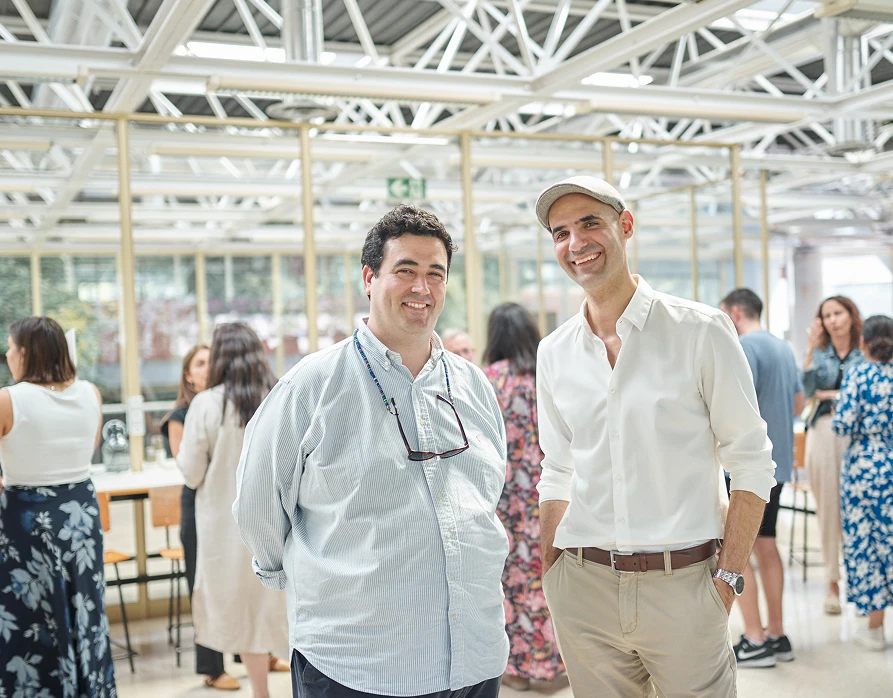
The facilitators are Juan P. Dabdoub y Aitor R. Salaverría, co directors of Become.

Juan P. Dabdoub is an Associate Professor at Universidad Villanueva, Scholar Affiliate at the Center for Character and Citizenship of the University of Missouri-St. Louis, and Secretary of the Association for Moral Education. For 10 years, he worked at a college residence hall, where he was responsible for promoting the character development of the students.

Aitor R. Salaverría is a member of the Citizen Education and Character Group at the University of Navarra, where he researches ways to promote character development in universities. He served on the administration of the Belagua Residential College for 10 years, four of which as director of a branch campus.
Organize Collegium in your country!

Would you like to organize a session of the Collegium Focused Program in your country or city?

We partner with other organizations to host the Collegium Focused Program around the world. Please email info@be-come.org and schedule an appointment for an online interview to discuss your options.

FAQ


If you have any questions or concerns about our service, please contact us by email at info@be-come.org

Our programs are offered in Spanish for Spanish-speaking countries and in English for the rest of the countries. If we have a facilitator in the country we can offer an adapted version in the language of that country.

Actualmente nuestros programas se imparten de manera presencial, pero evaluamos constantemente opciones online.

No es necesario, ambos programas pueden cursarse de manera independiente.

Puedes iniciar por cualquiera de los dos, dependiendo de tu disponibilidad y objetivos personales.
en_USEnglish