












PROGRAMA

Collegium

Collegium es una iniciativa dirigida a líderes de centros residenciales universitarios

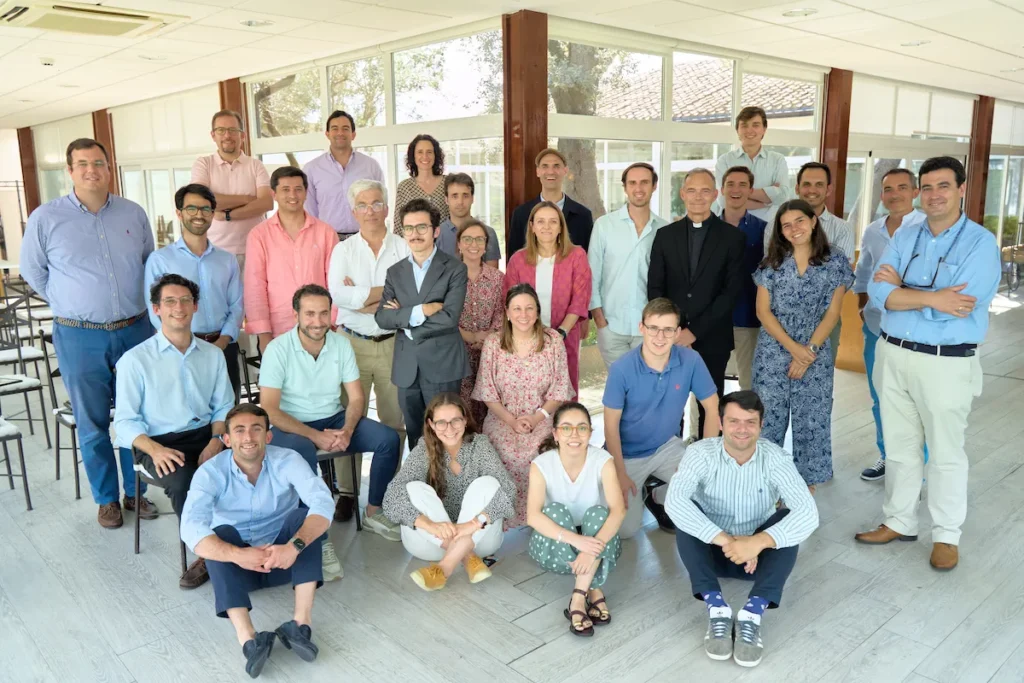
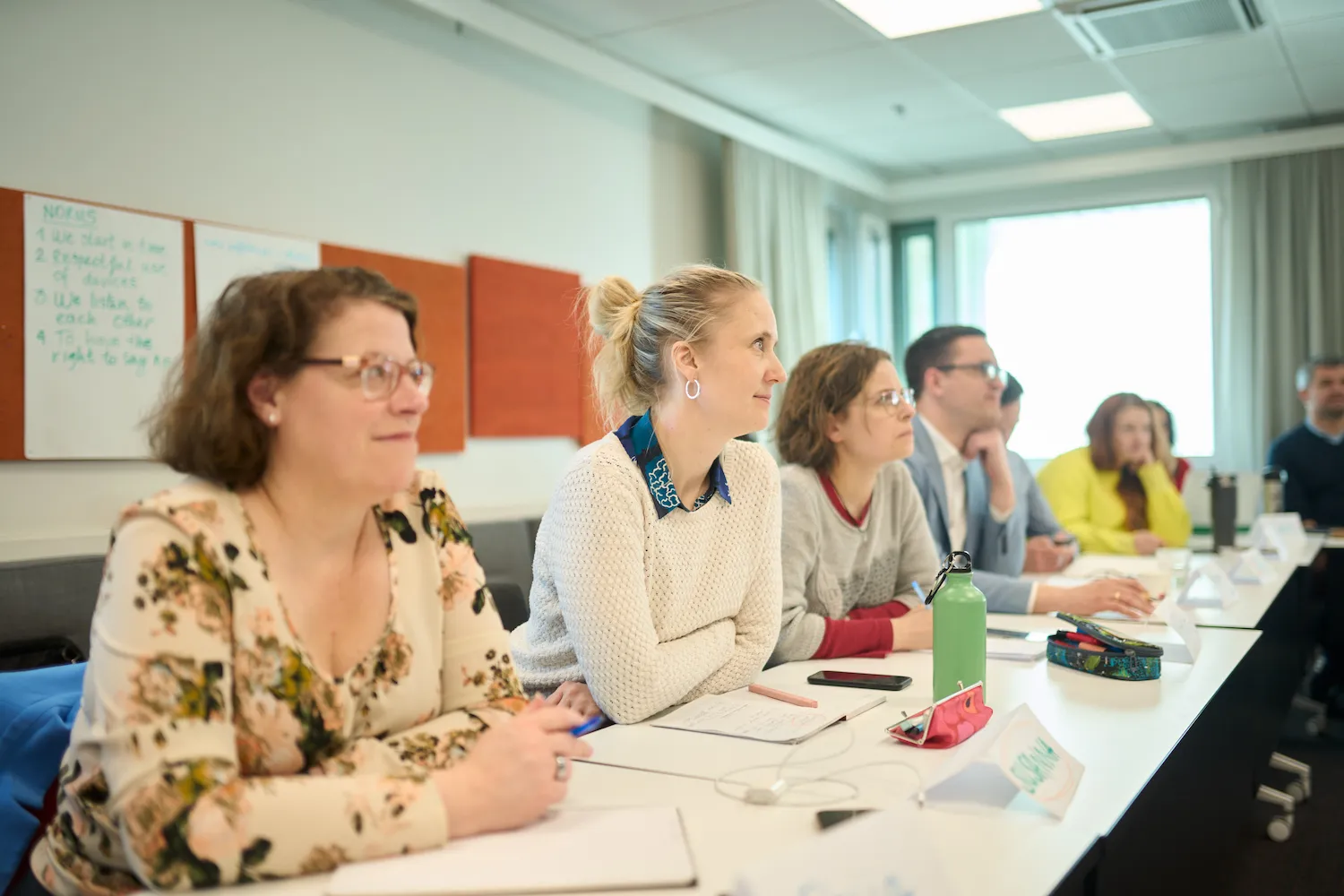
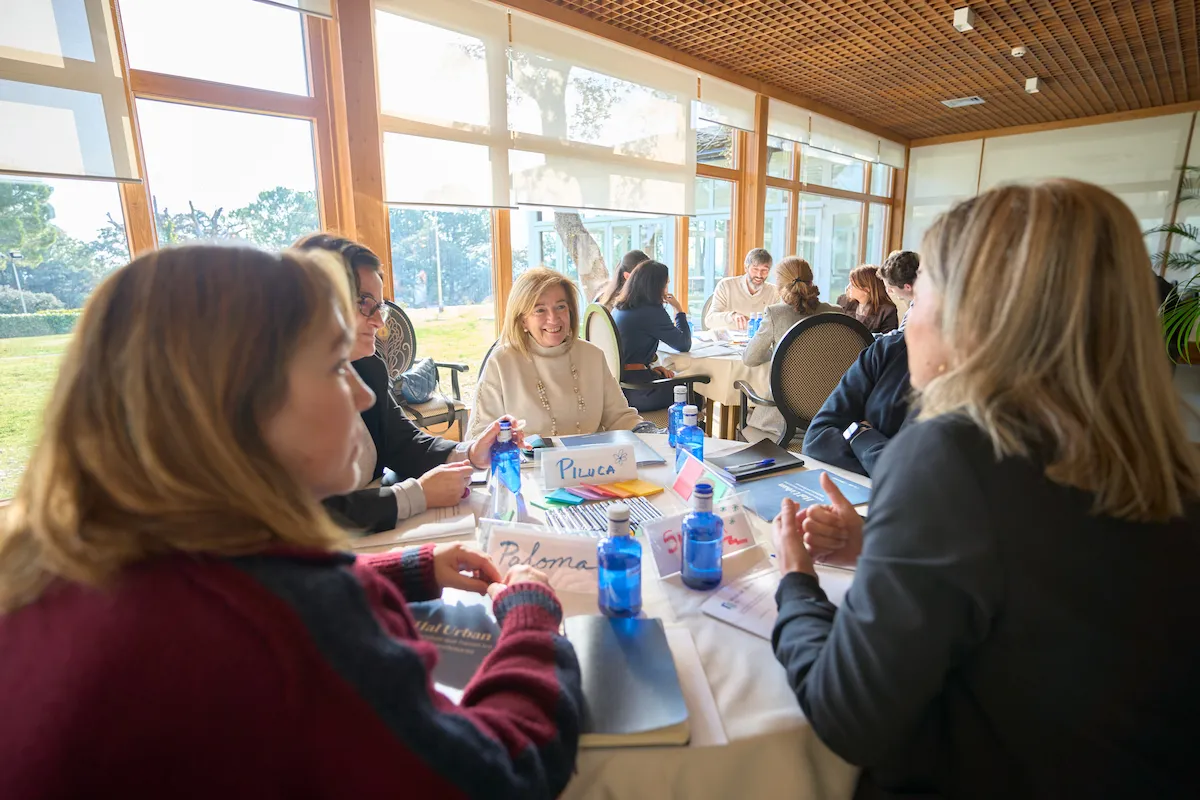
Invitamos a los directivos y a sus colaboradores a ser parte de una comunidad que reflexiona y dialoga, en un clima de confianza, acerca de cómo hacer que sus centros residenciales sea lugares donde se promueva el crecimiento de las personas, el desarrollo del carácter y el bienestar de un modo estratégico e intencional.

01

Conocer los principios de diseño que contribuyen al crecimiento de las personas

Specifically, we work with the PRIMED model by Marvin Berkowitz from the Center for Character and Citizenship, and we draw inspiration from Lawrence Kohlberg's Just Communities project, developed at Harvard in the 1980s. Those who will lead this change need to understand the principles underlying the practices they will later implement.

02

Fortalecer las relaciones del equipo en un formato de aprendizaje experiencial

Poner en marcha un cambio de esta magnitud, que afecta directamente a la cultura de un centro residencial, requiere de un equipo unido con ganas de afrontar este ambicioso reto. Durante Collegium, los asistentes tendrán ocasión de estrechar lazos con los demás miembros de su equipo, compartir muchas horas de conversación y pasarlo bien juntos.

03

Hacer un plan de acción

Con los conocimientos adquiridos en Collegium, los asistentes son invitados a elaborar un plan de acción a largo plazo. Cualquier transformación de este estilo requiere de varios años de trabajo. El plan elaborado como consecuencia de estos días puede servir para abrir camino e introducir el enfoque de crecimiento personal en el centro residencial. Estarán asesorados por los ponentes del curso.

Contenidos

Te proponemos un rediseño de los elementos que conforman la vida ordinaria de tu comunidad residencial basándonos en seis prácticas fundamentales y seis principios de diseño.


Six key practices

We focus on redesigning key aspects of the daily life of residential centers, identified in recent studies as essential for their educational impact. Specifically, we work on six fundamental practices:

Collaborative governance

This practice involves students participating in the governance of their community through leadership and management roles, consultation and deliberation processes, and/or decision-making. This is carried out in alignment with the community's mission and values, contributing to its common good.

For example: in my center, there is a Council or Assembly that gathers students to deliberate and make decisions; there are working teams such as deans, commissions, committees, or boards with leadership and management responsibilities; there is some form of democratic process for electing community leaders; and so on.

Service roles and tasks

This practice consists of students being assigned a role or a task in which they provide a service to the community or contribute to the care and maintenance of the center's facilities.

By way of example: tidying and cleaning common areas; taking photographs and videos of activities; gardening tasks; creating content for the website or social networks; taking care of electronic equipment; library management.

Retreats, excursions, trips.

Jornadas, convivencias, excursiones, viajes Esta práctica consiste en dedicar unas horas o días a retirarse de la vida ordinaria del centro residencial con un grupo de estudiantes para profundizar o potenciar algún aspecto de la comunidad, como sus necesidades, su misión o sus valores.

By way of example: these experiences can take the form of an excursion to the mountains, a cultural visit, a professional trip, a work day, a spiritual retreat, a ski plan, a work camp, a study day.

Students initiatives

This practice consists of listening to the voice of the students about the initiatives they would like to carry out and offering the necessary institutional support to implement them.

By way of example: the initiative of the students gives rise to social volunteering, conferences, round tables, colloquiums with invited experts, sports tournaments, clubs, activities, artistic experiences, debates, workshops, seminars, celebrations, excursions or cultural trips, among others.

Peer mentoring

This practice consists of facilitating the opportunity for students to establish an advisory/tutoring/mentoring relationship with another student or member of the community. Essentially, this is a mentoring system between peers who share student status, where the mentee can benefit from the advice, experience and support of a more senior mentor.

For example: first-year students are assigned an advisor for academics; for the first few days of the course, there are senior students who spend time explaining how the residence works, introducing them to the community life, presenting them to other students; undergraduates can turn to graduate students or professors who are part of the residential community for academic, professional, or personal advice.

Tertulias, colloquiums, informal meetings.

This practice consists of periodic informal meetings in which a significant part of the community meets and has a relaxed conversation in a climate of trust and spontaneity.

For example: having a daily informal meeting in which a significant part of the community meets and talks about what has happened that day; inviting a guest speaker to meet with the community in the context of an informal conversation.

Seis principios de diseño


The PRIMED model is an acronym for six design principles for school improvement that integrate 42 character education effective practices for schools identified in studies, reviews, and meta-analyses from the last quarter of a century.

Efectivas significa que estas prácticas están respaldadas por estudios científicos, incluidas pruebas estadísticas de la significancia de su impacto en el desarrollo de las personas. Más que prácticas o estrategias específicas, estos principios son seis recordatorios de lo que debe considerarse a la hora de diseñar cada práctica y estrategia para promover efectivamente el desarrollo del carácter.

Prioritization
Visible and concrete prioritization of character development in all areas. Leaders should direct their efforts and resources in this direction holistically.
Relationships
Promoting caring relationships throughout the community for the sake of people and their learning, following the adage: "Kids don't care how much you know, until they know how much you care".
Intrinsic Motivation
Developing intrinsic motivation to do well, as opposed to external motivations such as rewards and punishments. It's not just about doing good, but also doing it for the right reasons.
Modeling
Everyone in the school, especially adults, should strive to be models of virtue, from which everyone can learn. Following Gandhi, it is about "being the change we want to see in the world".
Empowerment
Crear una cultura y estructuras que capaciten a todas las personas, escuchándolas y dándoles la posibilidad de marcar una diferencia significativa.
Developmental Pedagogy
Educar de forma que se apoye el aprendizaje a largo plazo y el desarrollo del carácter.

Dos programas complementarios


Contamos con dos programas complementarios para compartir nuestra propuesta.

Tanto el Programa Enfocado como el Programa Ejecutivo pueden cursarse de forma independiente. No es necesario realizar ambos para vivir una experiencia valiosa y transformadora. Sin embargo, al ser programas complementarios, muchas personas optan por cursarlos de manera sucesiva para enriquecer su desarrollo personal y profesional.

Nuestra experiencia muestra que quienes deciden participar en los dos programas obtienen resultados igualmente sólidos, sin importar si comienzan por el Enfocado o por el Ejecutivo. Cada recorrido tiene sus propias ventajas y desafíos, y no existe un orden único o prescriptivo. Dado que la disponibilidad de tiempo suele ser un factor clave, te animamos a elegir el punto de partida que mejor se adapte a tus intereses y circunstancias actuales.

Speakers


Los ponentes del Programa son Juan P. Dabdoub y Aitor R. Salaverría, co directores de Become.

Juan P. Dabdoub es Profesor Contratado Doctor de la Universidad de Villanueva, Scholar Affiliate del Center for Character and Citizenship y secretario de la Association for Moral Education. Durante 10 años trabajó en un Colegio Mayor como responsable de promover el desarrollo del carácter de los colegiales.

Aitor R. Salaverría es miembro del Grupo Educación Ciudadana y Carácter de la Universidad de Navarra, donde investiga cómo promover el desarrollo del carácter en las universidades. Estuvo en la dirección del Colegio Mayor Belagua durante 10 años, 4 de ellos como director de una sede.

¡El Collegium Focused Program en tu país!

¿Quieres organizar una edición del Collegium Focused Program en tu país o en tu ciudad?

Colaboramos con otras entidades organizando el Collegium Focused Program por todo el mundo. Escribe a info@be-come.org y pide una cita para tener una entrevista online y estudiar posibilidades.

Preguntas frecuentes


Si tiene alguna pregunta o duda sobre nuestro servicio, póngase en contacto con nosotros por correo electrónico en info@be-come.org

Our programs are offered in Spanish for Spanish-speaking countries and in English for the rest of the countries. If we have a facilitator in the country we can offer an adapted version in the language of that country.

Actualmente nuestros programas se imparten de manera presencial, pero evaluamos constantemente opciones online.

No es necesario, ambos programas pueden cursarse de manera independiente.

Puedes iniciar por cualquiera de los dos, dependiendo de tu disponibilidad y objetivos personales.
en_USEnglish